Five Nights at Epstein's
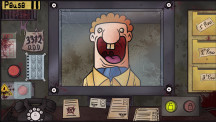
















Five Nights at Epstein’s – A Dark Survival Horror Game of Pure Pressure
Five Nights at Epstein’s is a satirical survival horror game built around endurance, attention control, and brutal time compression. After a failed island investigation, you’re trapped alone in a locked bathroom, relying only on security cameras and malfunctioning systems while waiting for rescue. The humor is dark, but the pressure is real—survival depends on reading threats correctly under extreme time limits.
How Survival Actually Works
Each night is broken into hours, but time is distorted. Every hour lasts only 30 seconds, meaning threats stack faster than your tools can recover.
Your main view is the security camera system. Enemies move between rooms rapidly, often attacking at the same time. You can’t stop everything—you must decide what matters right now.
Audio lures are your main control tool. Used well, they pull enemies away from you. Used too often, they overload the system and crash your cameras, forcing a manual reboot while enemies continue moving unseen.
Vent attacks add another layer. Closing vents blocks enemies, but leaving them shut too long drains oxygen. Every action has a cost.
Core Actions You’ll Repeat Every Night
Watching camera routes to predict enemy timing
Using audio lures selectively, not constantly
Closing vents only during confirmed attacks
Rebooting camera systems under pressure
Manually stopping threats that ignore automation
There’s no idle time. If you hesitate, the game punishes you fast.
Understanding Enemy Patterns
Each enemy behaves differently, and confusing them is fatal:
Epstein moves fast and attacks with little warning
FC responds well to audio but punishes neglect
Trump attacks through vents and pressures oxygen management
Stephen Hawking ignores sound entirely and requires direct control
Winning isn’t about speed—it’s about correct prioritization.
Gameplay Experience
The fear doesn’t come from jumpscares. It comes from overload. Short nights feel exhausting because you’re constantly deciding what to ignore. Mistakes feel earned, not random, which makes retries addictive rather than frustrating.
Conclusion
Five Nights at Epstein’s rewards players who stay calm under pressure and learn patterns through failure. If you enjoy survival horror built on decision-making rather than reflex spam, this dark, uncomfortable experience will test your limits—fast.